
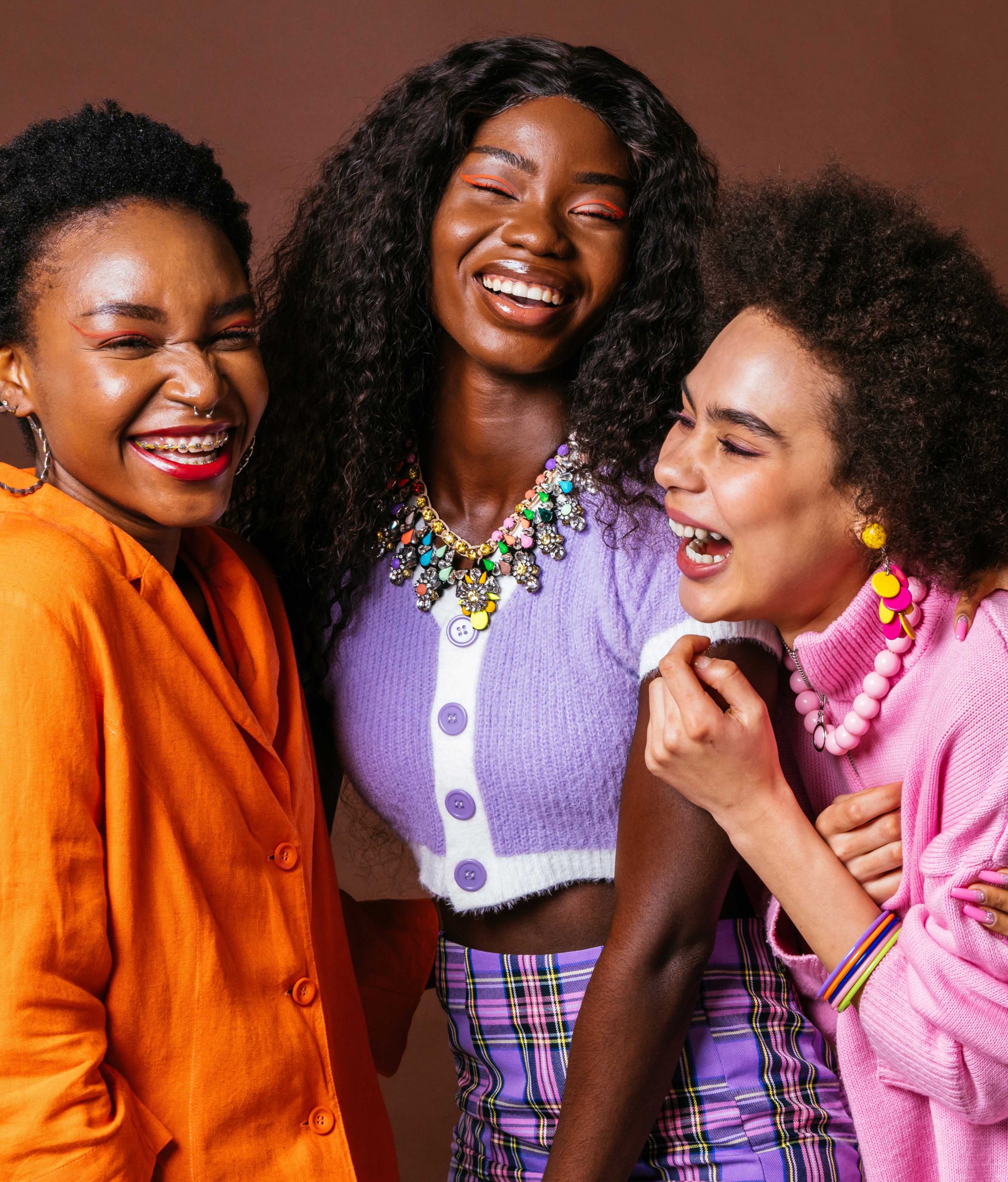
Sisterhood today is a powerful idea that has moved from quiet conversations into headlines and social media feeds. Many women now use it to champion collaboration over competition, choosing to support one another rather than competing for the same spaces and opportunities.
Sisterhood begins with a simple belief: no woman is alone in her struggle. Across the continent, girls and women face many of the same barriers, such as early marriage, limited access to education, gender-based violence, underpayment, exclusion from decision‑making spaces, and lack of access to finance. On an individual level, these challenges can feel overwhelming. But when women stand together, sharing information, opening doors, and defending one another, barriers that once felt permanent begin to crack.
For African girls, sisterhood looks like mentorship and protection. It is the older girl who walks a younger one to school, so she feels safe. It is the teacher who refuses to ignore harassment and instead creates a classroom where girls’ voices are heard and respected. It is the aunt, mother, or community leader who tells a girl, “Your dreams are valid,” and then helps her find the scholarship form, the STEM club, or the debate team that will keep that dream alive. When girls see one another succeeding and supporting each other rather than competing, they learn that success is not a limited resource. There is room for all of us.
Sisterhood is also emotional safety. Many African women carry invisible burdens: unpaid care work, the expectation to be “strong” for everyone, and the pain of past violence or discrimination. A sisterhood space, whether a physical circle, a WhatsApp group, or a small community of trusted friends, gives women permission to be honest about their fears and failures, not just their successes. In those spaces, vulnerability is not weakness; it is the doorway to healing. A woman who is believed, respected, and supported is far more likely to take the next brave step: applying for funding, leaving an abusive relationship, entering politics, or launching a social enterprise.
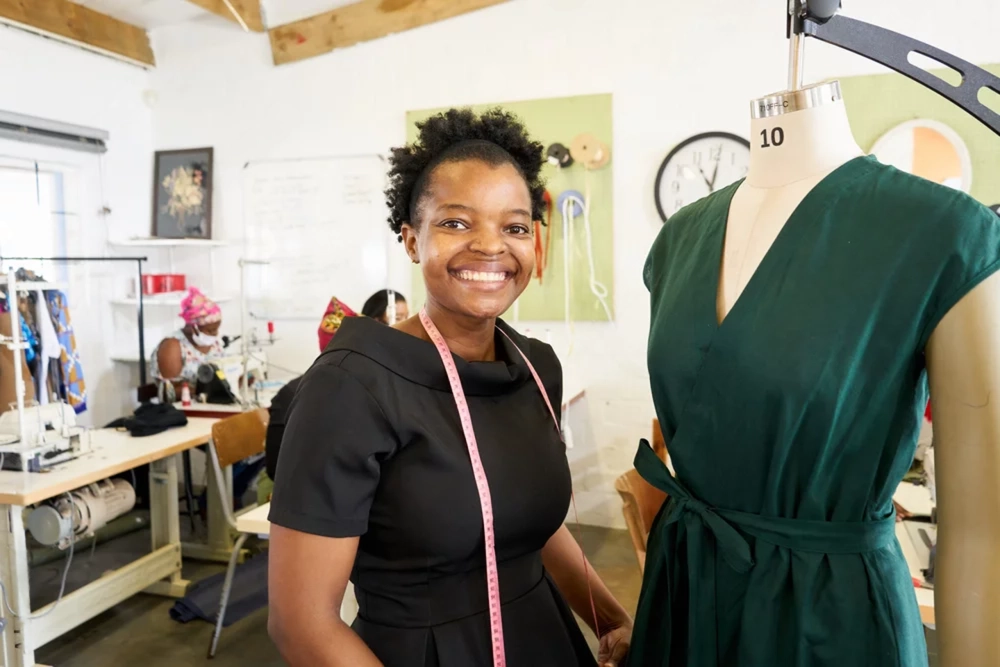
Sisterhood has made its way into business and become an anchor of strength for African women. For women entrepreneurs, it serves as a powerful form of economic resistance. You see it in savings groups where women pool money so that one member can start a small business, then another, and another. You see it in networks of businesswomen who share contacts, warn one another about unfair contracts, and recommend each other for opportunities instead of gatekeeping them. In a market that often isolates women and underestimates their potential, sisterhood forms a quiet but unstoppable infrastructure of support. This collective power is now driving real change in African women’s businesses.
Across the globe and especially in Africa, women are building businesses at an unprecedented pace. The Global Entrepreneurship Monitor reports that women now represent more than 40% of entrepreneurs worldwide, and in sub-Saharan Africa, they are more likely than men to start a business. Yet despite this momentum, women-led ventures still face systemic barriers, including limited access to finance, constrained networks, underrepresentation in leadership, and structural bias. In this context, sisterhood is emerging not just as a social bond, but as a measurable economic and strategic advantage.
Access to networks is one of the strongest indicators of business success. Yet women are significantly less likely than men to belong to influential business networks. According to a World Bank report, over 70% of women entrepreneurs in developing economies lack access to formal mentorship or professional networks. In response, sisterhood-driven ecosystems, women’s business associations, cooperatives, and networking events are helping to fill this gap by creating alternative systems for access, information-sharing, and opportunity circulation.
One of the clearest ways sisterhood shows its power is in expanding access to capital. Globally, women-led startups receive less than 3% of venture capital funding, according to the World Bank. In Africa, the gap is even wider: between 2013 and 2023, women-led startups raised under 2% of total funding. In response, women entrepreneurs are increasingly turning to collective financing models—such as rotational savings groups, women-led angel syndicates, and peer-backed lending structures. Research from the International Finance Corporation (IFC) shows that women are 20% more likely than men to reinvest profits in their communities, making these collective funding models not only effective but also deeply socially impactful.
Sisterhood also plays a pivotal role in business resilience and longevity. OECD studies indicate that many women-owned businesses close not due to poor performance, but because of burnout, isolation, and a lack of support. Peer-based support systems help mitigate these risks. For instance, a 2022 study on women entrepreneurs in emerging markets found that businesses led by women who engaged in peer networks had 30% higher five-year survival rates compared with those operating in isolation.
Beyond survival, sisterhood drives growth and innovation. When women collaborate, they share market intelligence, co-create solutions, and unlock cross-sector opportunities. This dynamic is particularly visible in African markets, where women-led cooperatives are prominent across agriculture, textiles, retail, and services. According to the Food and Agriculture Organization, closing the gender gap in women farmers’ access to resources alone could increase agricultural output in developing countries by up to 4%, significantly reducing poverty and food insecurity.
At Chrysalis, our work to empower African girls, women, and entrepreneurs is grounded in one core strategy: building sisterhood. This is not a “soft” add-on; it is central to how we create change. In practice, this means:
- Developing mentorship programs where successful women entrepreneurs offer younger women practical guidance and real opportunities.
- Creating safe spaces, online and in person, where girls and women can speak freely, understand their rights, and practice leadership.
- Designing initiatives that prioritize collaboration over competition, such as group projects, shared grants, and co-owned businesses.
- Embedding healing, mental health support, and well-being into all economic empowerment efforts, recognizing that trauma and burnout directly limit women’s ability to lead and innovate.
- Centering women from marginalized communities as co-designers and leaders of initiatives, not only as beneficiaries.
Sisterhood has a powerful storytelling dimension. When girls and women hear stories of African women who started businesses with almost nothing, led social movements, or changed laws, they begin to see new possibilities for themselves. Every training, workshop, or event becomes an opportunity to surface these narratives and affirm: “This is not an exception. This is what is possible when women support each other.” Through storytelling, isolated wins become a shared legacy, and those legacies drive intergenerational change.
When women entrepreneurs support and mentor other women, they create visible role models for younger generations. According to UNESCO, girls are up to 75% more likely to pursue leadership or entrepreneurial paths when they have access to female role models in business. In this way, sisterhood becomes a pipeline not only for stronger enterprises but also for future leaders.
Sisterhood is one of the most cost-effective, scalable ways to unlock this potential, especially in environments where institutional support is limited. It is not about exclusion; it is about correction. Sisterhood corrects historical imbalances in access, power, and visibility. It transforms individual ambition into collective momentum and shows that when women support women, businesses do not just survive, they scale, innovate, and endure. Sisterhood stands out as both a strategy and a solution.
“Powerful women-led businesses are rarely built in isolation. They are built together, through trust, shared knowledge, and collective courage”.