

In traditional leadership paradigms, emotions were often seen as a weakness, something to suppress in favor of logic, authority and control. But in fact, effective leadership isn’t just about vision and strategy; it’s about people.
To lead people effectively, one vital trait stands out: Emotional Intelligence; the ability to understand, manage, and use emotions effectively. It is one of the skills that often defines the most impactful, resilient, and transformative leaders.
While academic credentials and technical skills remain valuable, they are no longer enough on their own in a world that demands adaptability.
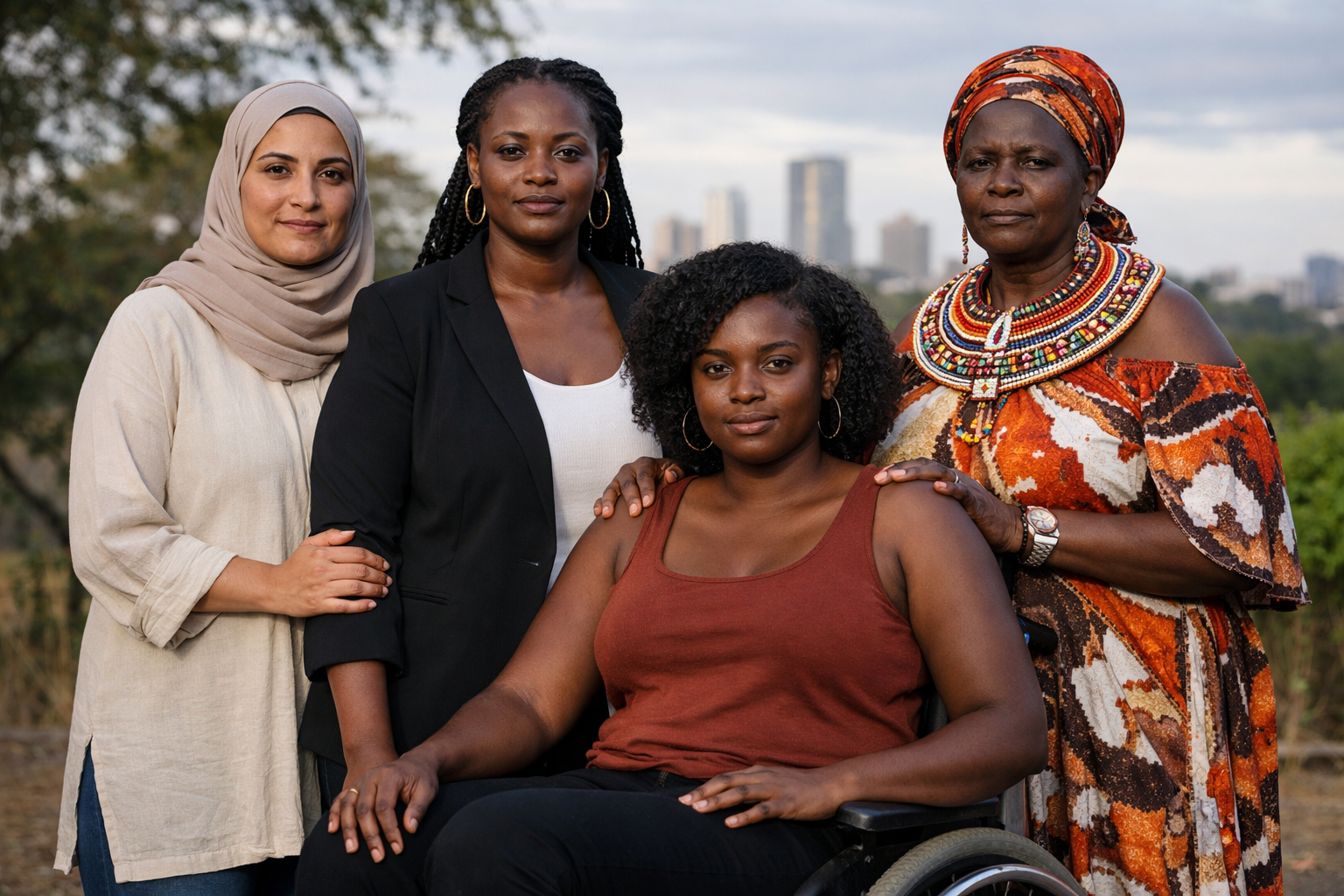
And for women rising into leadership roles, Emotional Intelligence is proving to be a quiet yet powerful strength.
What is Emotional Intelligence?
The term Emotional Intelligence (EQ) was first introduced by psychologists Peter Salovey and John Mayer in 1989. They defined it as “the ability to identify, assess, and manage one’s own emotions, the emotions of others, and of groups.” Later, author and psychologist Daniel Goleman expanded this concept and popularized it as a key leadership competency.According to Goleman, Emotional Intelligence consists of five core components:
- Self-awareness: Recognizing your own emotions, strengths, weaknesses, and triggers.
- Self-regulation: Managing emotions constructively, staying calm under pressure, and responding rather than reacting.
- Empathy: Understanding and caring about what others are feeling.
- Motivation: Staying committed and focused on meaningful goals.
- Social skills: Building strong relationships, communicating effectively, and collaborating with others.
Why Emotional Intelligence is a critical Skill in Effective Leadership?
Emotional intelligence plays a far greater role in leadership success than cognitive intelligence or technical expertise alone. Therefore, we cannot neglect the idea that emotional intelligence is twice as important as cognitive intelligence when it comes to predicting career achievements.Leaders with high Emotional Intelligence tend to build stronger working relationships, perform effectively in multicultural and diverse environments, make better decisions, solve problems more efficiently, improve overall performance, and catalyze the development of new strategies.Why EQ namely matters for women in leadership?Women leaders often carry multiple responsibilities and face deeply ingrained social and structural challenges. Yet despite these challenges, they bring a collaborative, inclusive and empathetic leadership style.Emotional intelligence empowers them to:
-
- Lead with clarity, empathy and authenticity; not just authority.
- Balance strength with compassion, especially in male-dominated spaces.
- Resolve conflict peacefully, both in the workplace and in their communities.
- Motivate and empower others, especially emerging female leaders.
- Staying grounded and resilient, even when facing bias, stress, or pressure.
Challenging the stereotype “women are too emotional to lead.”
One of the most damaging and outdated mindsets is the belief that women are “too emotional” to be effective leaders; that they make decisions based on feelings instead of reason.
But the facts say otherwise:
-
- Emotional intelligence is not about being ruled by emotions, but about using them wisely and intentionally.
- Leaders with high EQ consistently outperform those with low EQ, regardless of gender.
- Studies also show that women often score higher in EQ than men, particularly in empathy, interpersonal relationships, and social responsibility.
- Traits often labeled “too emotional” in women like empathy, vulnerability and compassion, are actually recognized as leadership strengths and vital in today’s world that values inclusion, diversity and equity.
Developing Emotional Intelligence in women leaders is achievable
EQ isn’t something you’re born with, it can be learned and developed. Here are a few ways to nurture it in women leaders:
-
- Encourage Self-awareness and reflection.
- Teach the difference between being controlled by emotions and leading with emotions.
- Provide training skills in conflict resolution, decision-making and effective communication.
- Pair women with mentors or coaches to help them build emotional regulation skills.
- Include EQ in leadership and vocational programs.
- Reinforce empathy, active listening, and constructive feedback as leadership tools.
- Create safe spaces for women to express emotions without judgment.
- Establish programs within teams that challenge gendered biases and stereotypes.
Moving Forward with Head and Heart
In the end, it is evident that Emotional Intelligence isn’t a “nice-to-have” skill, but a “must-have” skill.
Because Emotional Intelligence doesn’t make leaders “soft.” On the contrary, it makes them strategic, self-aware, and sustainably effective.
After all, people don’t follow titles, they follow connection. And that is exactly what Emotional Intelligence enables.
The truth is, we are emotional beings. So, when emotions are understood, managed and balanced, they make us not only better leaders but also better human beings.
And when women are empowered to lead with both their head and heart, their leadership becomes not just effective, but purposeful and transformational.
Emotional intelligence is part of their identity. And what could be more authentic than leading and operating from your true self?
That’s the kind of leadership the future truly needs.