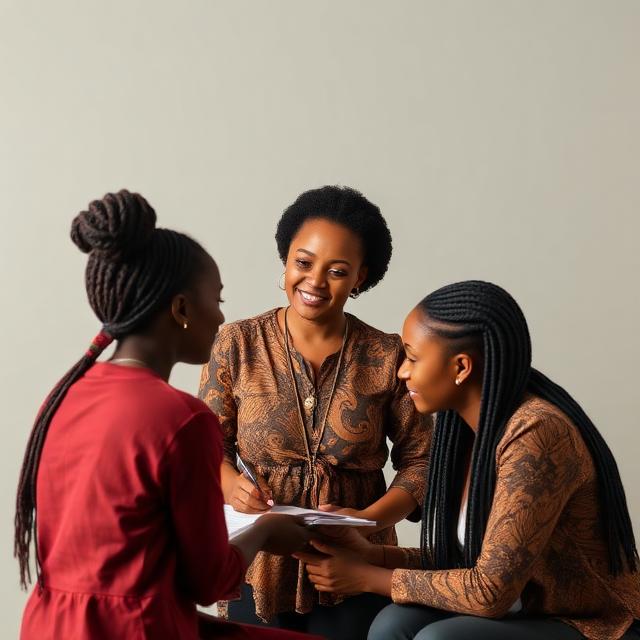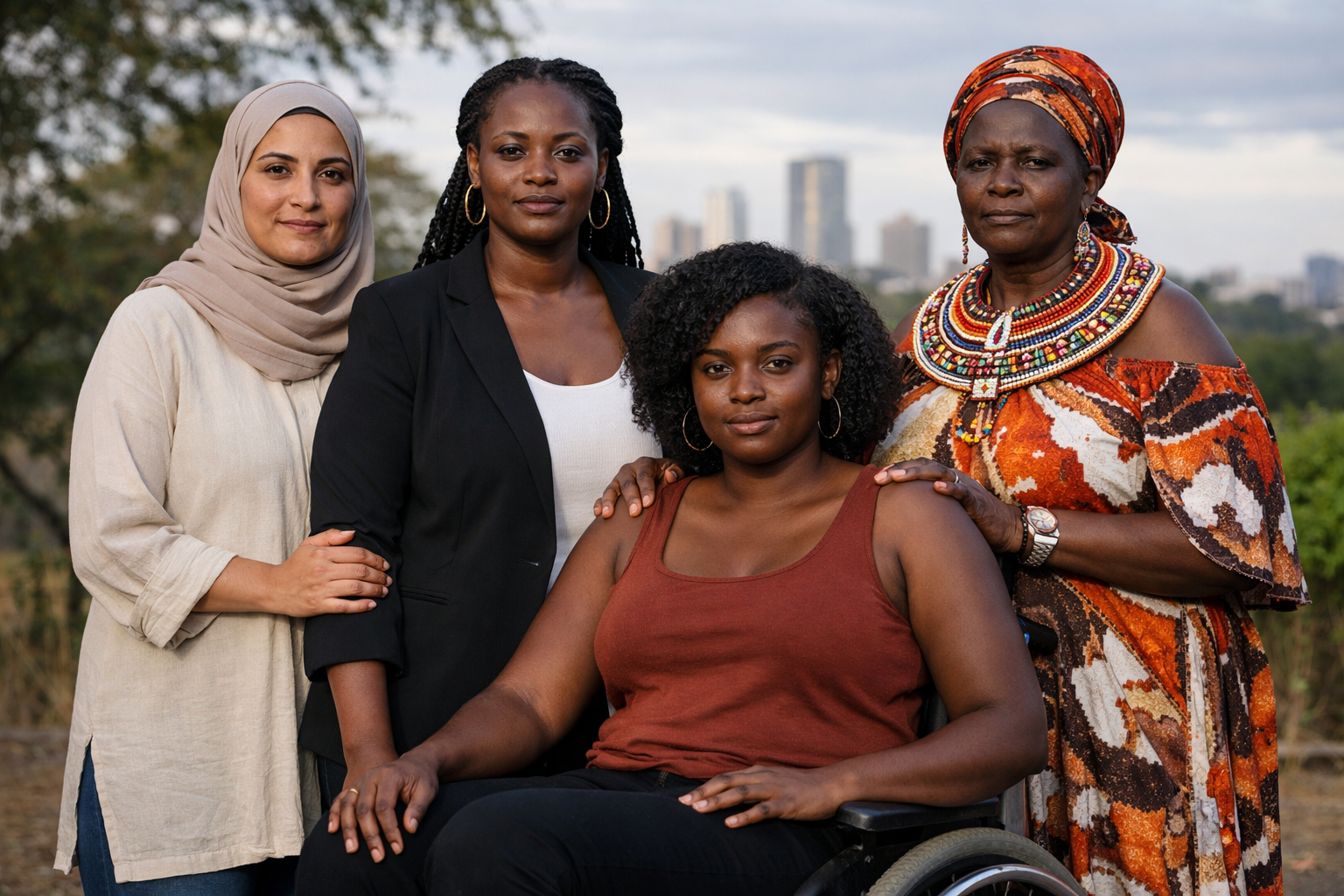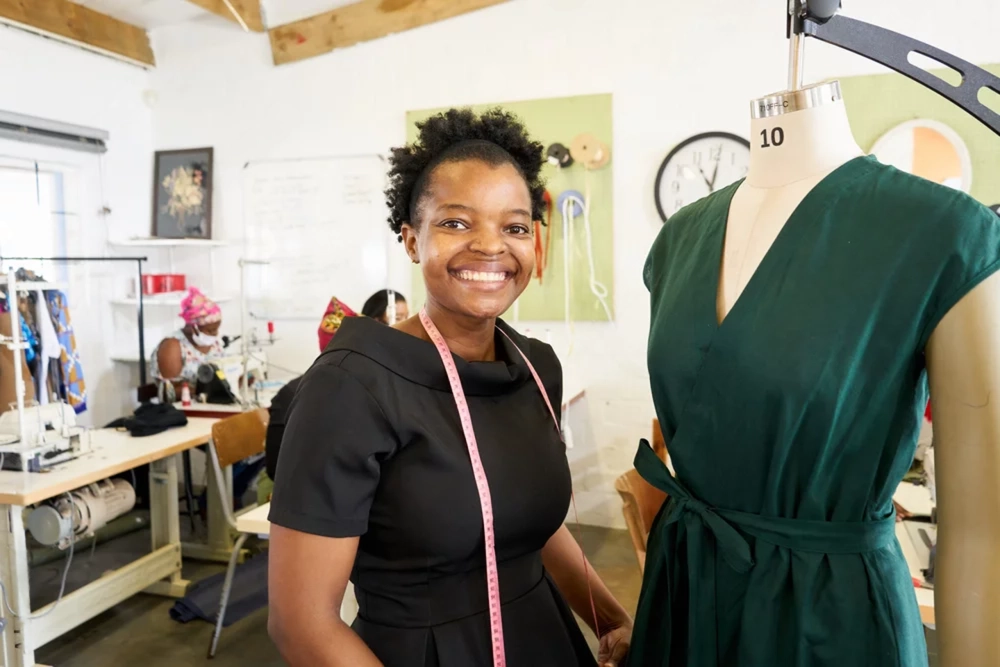


Africa’s number one economic asset is human capital. It drives national competitiveness, increases innovation, and encourages more sustainable development to promote digital and green economies across the continentHowever, Africa’s economic engine can no longer rely solely on men to remain competitive in the global market. Instead, it must depend on the power of educated girls as a viable economic force in the 21st century..
The evidence is unmistakable: educating girls strengthens every pillar of Africa’s economic system. Here’s how.
Human Capital and National GDP Growth
According to the African Development Bank, Africa loses billions of dollars by under-educating women. Full female workforce participation could add $316 billion to Africa’s GDP. It all depends on boosting educational opportunities for women so that they have the skills and knowledge to make these contributions at the local, national, and continental levels.
African girls usually reinvest up to 90% of their earned income into helping to support their families and communities, whereas only 35% of men do the same. Each additional year of schooling increases an African girl’s future income by 10% to 20%.
Imagine how much more income they would earn if they had up to four years of additional schooling. They would be able to contribute much more to lifting their local communities out of poverty.
Labor Force Participation
Formal education for African girls drives higher labor force participation in high-demand fields, such as management, finance, and agriculture. Educated women participating in the labor force will promote community stability, strengthen peacebuilding efforts, and help prevent radicalization.
Many large businesses are desperately seeking an educated workforce to fill roles in these fields. Education would facilitate the transition of women from informal, labor-intensive job roles to more skill-based positions that pay more money in these growing sectors.
Increased female participation in the labor force can only happen by removing certain barriers from their path toward an education, such as gender-based violence and early marriage. If more schools were made available to women living in rural areas, it could help them avoid gender-based violence and the need to get married young.
Entrepreneurship
Too many African communities wait for job opportunities to be brought to them. But what if the local girls could create small businesses that employ people in those communities?
Women already drive local economies, accounting for 58% of small business owners in Africa. If more women could receive an education, you would see many more small businesses benefitting multiple sectors of the African economy. That could create many thousands of new jobs in communities across Africa.
The first step is to create opportunities and resources to empower African women and girls in leadership and entrepreneurship through coaching, mentoring, and vocational training. If they can learn the true value of their potential and what they can accomplish, then it will be easier for them to overcome the cultural norms that continue to hold them back as true entrepreneurs.
Productivity Gains
Africa has a total population of 1.5 billion, of which roughly 752 million are women. That is about half of the continent’s entire population. Every African girl who is unable to receive a formal education represents a lost opportunity to enhance economic diversification and productivity in Africa.
Think about how much more productive the African workforce would be if it included educated women. They would significantly boost national competitiveness and productivity across Africa. Each African nation would strive to become the continent’s dominant economic force.
Educated women are more likely to focus on their careers than rush into marriage. That will help ensure their priorities are on their work productivity without any personal or domestic distractions standing in their way. At some point, educated girls will still get married, but it will be when they are settled in their jobs.
Studies show that African women marrying later will lead to them having fewer but healthier children. Not only that, but they will often make well-informed health decisions to reduce maternal and infant mortality rates in Africa.
Impact on Agriculture and Industry
Women are central to Africa’s agricultural industry and serve as key actors in microfinance and community trade. Educating girls can enhance agricultural productivity, business growth, financial autonomy, and job creation.
Unfortunately, limited education opportunities continue to prevent women from increasing their efficiency and profitability in agriculture. If they could learn more about finance and trade, it would go a long way in helping them manage their farms better and make more money from them.
Innovation and STEM Contributions
Africa must leverage all its educational resources and intellectual skills if it wants to compete in the global marketplace. If African nations can prioritize female education in Science, Technology, Engineering, and Mathematics (STEM), they will have the workforce capacity to drive technological innovation and sustainable development. As digital and green economies reshape the world, African nations need to catch up with developed countries in these areas to stay competitive.
Africa’s digital economy alone is projected to reach $180 billion by 2030, representing one of the continent’s fastest-growing economic frontiers. Educated girls are essential to filling the skills gaps required for Africa to make valuable STEM contributions that reshape the continent.
If successful, it could help grow small African businesses and attract international companies, both of which would create more jobs for local communities and stimulate their economies.
Conclusion
Women are the backbone of African families and communities. The power of education goes a long way toward changing the lives of girls in Africa, especially by helping them earn money to achieve financial and personal stability.
Education is one of the most effective development tools to make available to African women. It will reduce gender-based violence, stimulate local economies, strengthen households, and restore dignity and agency to African communities everywhere. Educated women can pull their families out of poverty, improve children’s nutrition and school attendance, and create greater overall health and stability in their households. Removing all barriers to the education of more girls can lead to deep social, cultural, and economic transformation across the continent.
“When you educate a boy in an African country, you educate one person. When you educate a girl, you educate an entire nation.”