

“Anyone who wishes to be an entrepreneur must know that bright ideas are great; however, they are not even half of the work; execution is everything.”
When we think that it might be late, that might be your sign to push further.
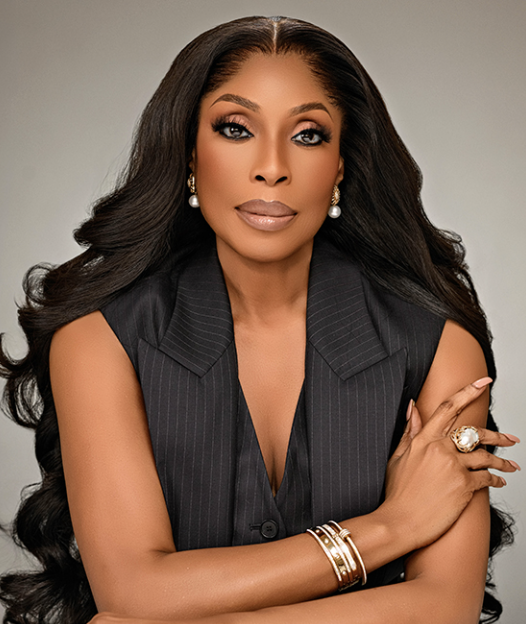
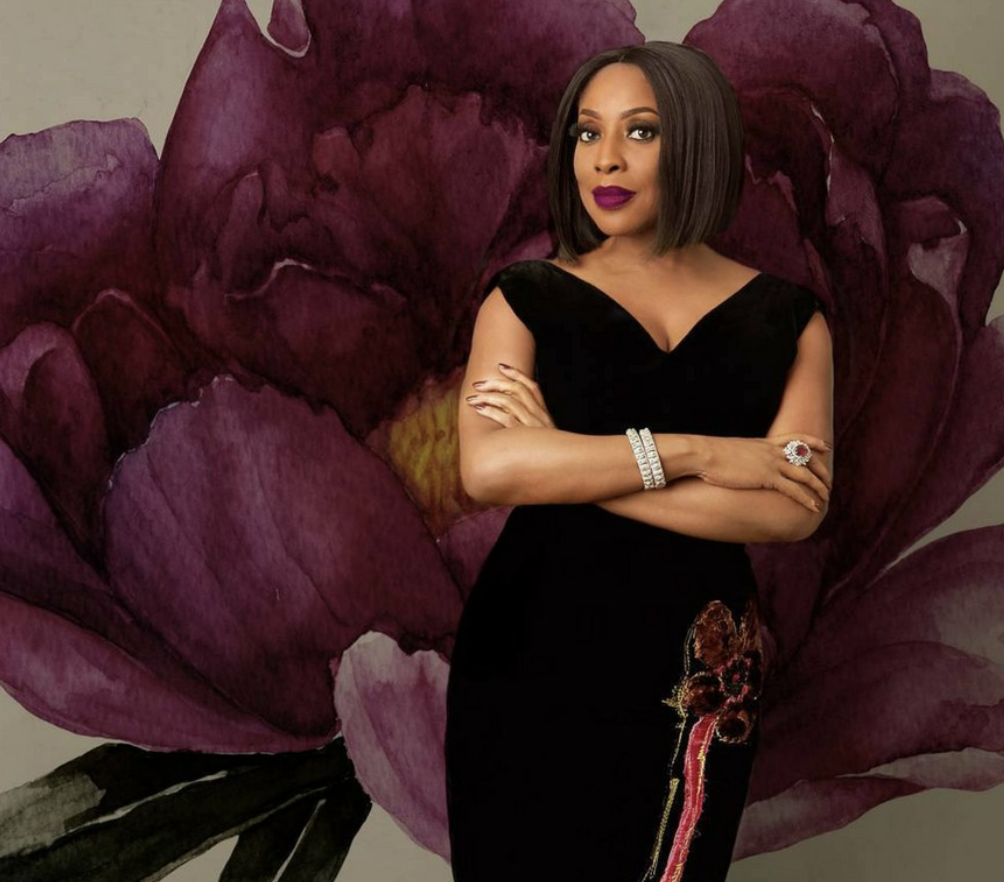
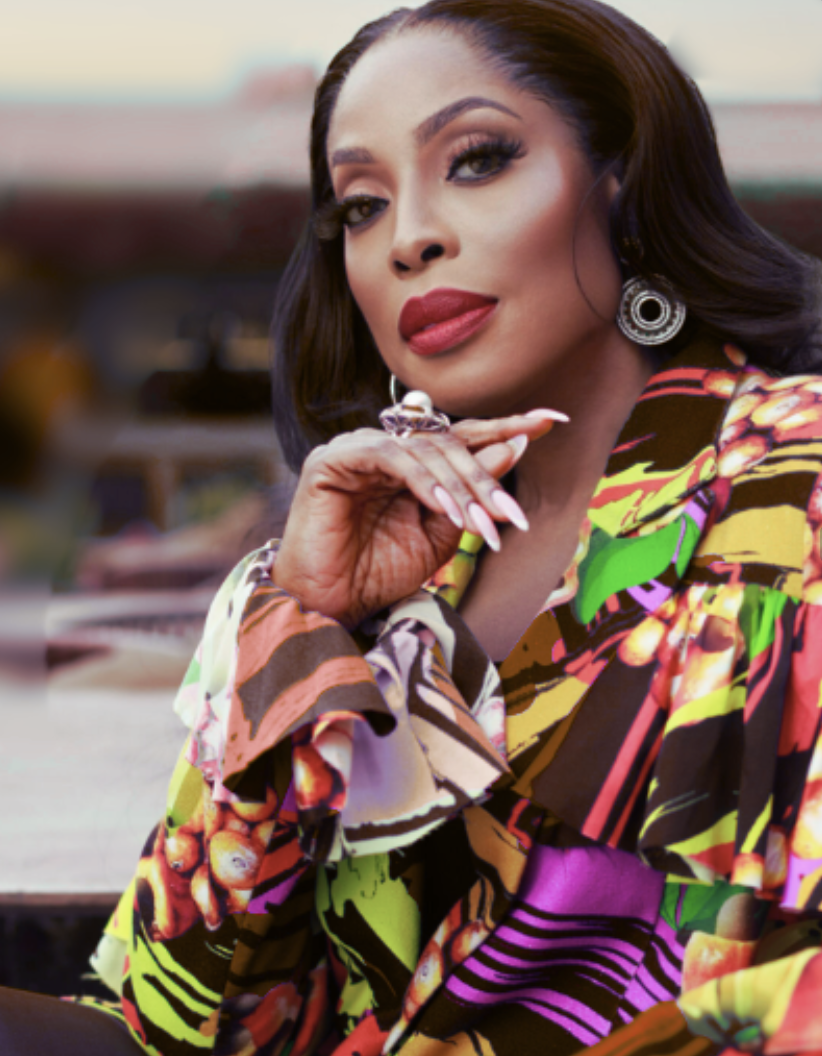
Women often feel a lot of pressure from society, which can make us think that time is slipping away too quickly. This feeling sometimes pushes us to settle for less, give up on our dreams, and stay quiet rather than speak out against the norm. But those who dare to dream and keep going become amazing icons of change and resilience! Their determination not only shapes their own paths but also inspires other women around them. Mo Abudu is a shining example; she chose not to give up at 40. Today, she represents the voices of many and is a true powerhouse in African media.
Mo Abudu is the CEO of EbonyLife Media. Her story does not begin with red carpets and studio lights. It begins with a little girl moving between cultures, carrying questions and a quiet determination that would, years later, change the landscape of African media. Before she became a global media mogul, before the Netflix deals and international recognition, Mo Abudu was simply a woman with a bold idea and the courage to believe that African stories deserved the world stage. Her journey did not begin in a studio. It began with movement, adaptation, and quiet resilience.
She was born in the UK to Nigerian parents. Mo spent her early childhood in London before being sent back to Nigeria at the age of seven. She later lost her father as a teenager, a grief that forced her to grow up even faster. But instead of collapsing under the weight of that pain, she learned one of the lessons that would define her life: you can’t always control what happens to you, but you can control what you build from it. She learned early what it meant to stand firm in unfamiliar spaces. That experience, of being African, female, and ambitious in rooms not built for her, shaped her.
Like many high-achieving African women, Mo followed the safe path first. She built a solid corporate career in human resources, working with multinational companies. She founded her own HR consulting firm, advising major organizations. On paper, she had stability. Prestige. Success. But deep inside, she felt something else calling.
And here lies the first lesson for every African woman entrepreneur: success is not always the end of the story. Sometimes it is only the beginning.
The Becoming
Beneath the corporate titles, she began to see gaps. African stories on television were scarce or told through foreign eyes, and she felt a growing dissatisfaction: Where are our voices? Where are our realities? That quiet discontent became a bold vision. In her 40s, when society often tells women to slow down, Mo did something radical: she pivoted. She left the predictable path and launched Moments with Mo, Africa’s first daily talk show hosted by an African woman. Mo wasn’t just building a show; she was building belief that African women could lead narratives, not merely appear in them—opening the door to conversations that had never had a stage before.
She didn’t stop at one show; she boldly asked, what if we created our own network? This idea led to EbonyLife TV, which aimed to showcase African content without seeking permission. Launching a TV network is risky and expensive. Despite facing skepticism, funding challenges, and technical obstacles, she forged partnerships and secured platforms. Ultimately, EbonyLife TV debuted as Africa’s first global Black entertainment and lifestyle network, created and led by an African woman.
The achievements that followed were not accidents; they were the fruits of unwavering vision and hard work. Through EbonyLife Studios and Films, Mo and her teams produced some of the most famous movies. These weren’t just films; they were statements. They showed African women as sophisticated, flawed, powerful, funny, and real. They proved that African stories could fill cinemas, break streaming records, travel across continents, and above all, women belong in every space.
It wasn’t easy, like every female entrepreneur. Funding was difficult. Infrastructure was limited. The Nigerian media industry did not yet have the systems needed to support global-scale production. Skepticism followed her. Criticism followed her. Expectations weighed heavily.
The Landmark
Mo built partnerships with major international players, global streaming platforms, studios, and distributors. She turned EbonyLife into a Harvard Business School case study, earned spots on lists of powerful women in media, and became recognized as “Africa’s Queen of Media.” However, behind the accolades were years of early mornings, late nights, rejections, and the pressure of being “the first.” Mo continually defended the value of African stories in spaces where they were seen as niche, proving that content led by African women was not charity.
Mo Abudu’s story is significant for women entrepreneurs because it is not a fairy tale. It represents a journey of strategic reinvention. Of betting on oneself, of building systems where none existed. It carries a message for every girl and woman who feels torn between safety and purpose, especially on the African continent and in the diaspora. You do not have to come from perfection. You do not need a flawless path. You can start from grief, displacement, or modest beginnings and still build something the world must pay attention to. You can come from a place where women’s voices are minimized and still decide: I will be loud. I will be seen. I will not wait for permission to exist in full color.
Resilience in Action
Her life teaches us that the world does not always open doors for African women; sometimes, we must build the doors first. And when we do, we must leave the doors open behind us.
She did not wait for permission to be powerful.
She did not shrink her ambition to make others comfortable.
She did not confuse obstacles with impossibility.
And perhaps most importantly, she carried others along the way.
For every African girl with a dream that feels “too big.”
For every woman told it is “too late.”
For every entrepreneur navigating limited access to capital, networks, or infrastructure, Mo’s journey is a reminder: You can pivot. You can rebuild. You can start again — even at 40. And that is what entrepreneurship truly is.
Mo Abudu’s success story is a story of self-belief translated into structures. She didn’t just dream privately; she built platforms so that thousands of other dreams could be seen. She turned her questions: Where are our stories? Where are our women? into companies, jobs, films, and opportunities that outlive any single project.
Dear African women, stop wondering if your ideas are too big, too bold, or “not for someone like you.”Mo’s life offers a simple, challenging reminder: someone has to be first. Someone has to step into the unknown and refuse to shrink. Someone has to believe that African excellence, especially African women’s excellence, does not need to imitate anyone else to be worthy.
Keep dreaming, keep fighting, because everything Mo Abudu has built is not the finish line. It is an invitation for more African girls to dream audaciously, for more women to lead industries, for more entrepreneurs to treat their vision like something the world genuinely needs.